
Exotic Pet Insights
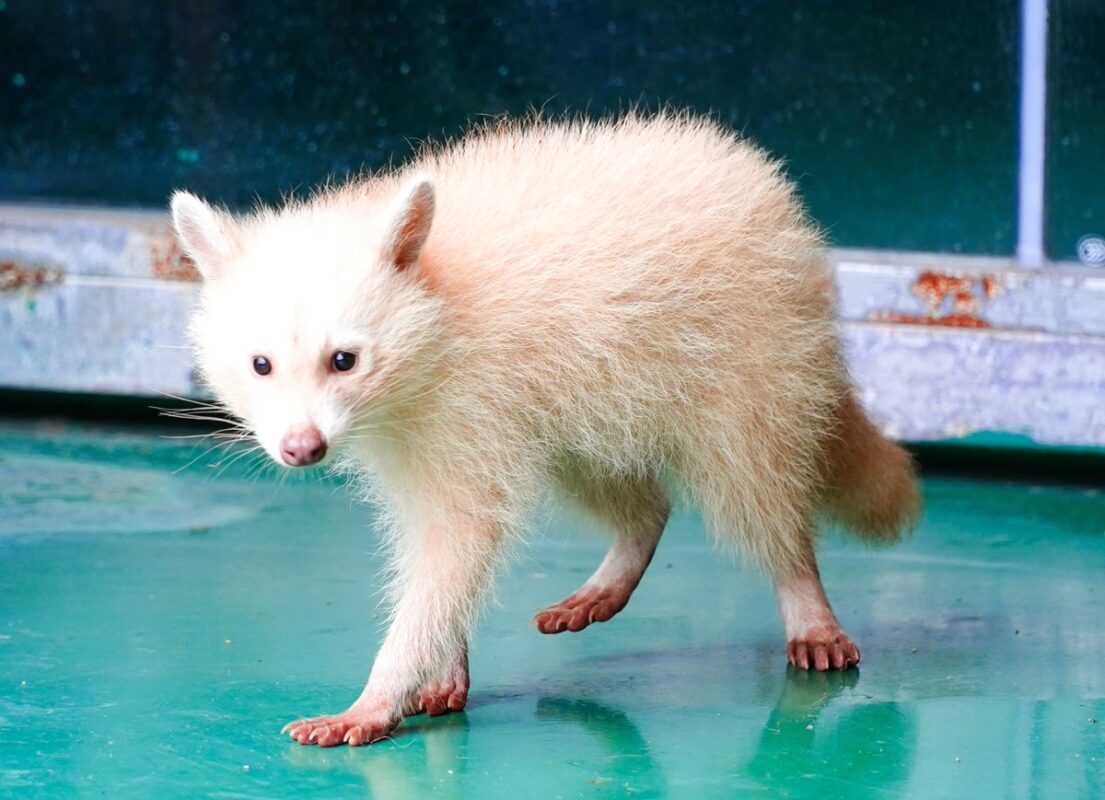
Complete Guide to Baby Raccoon Care
Jun
Introduction
Complete Guide to Baby Raccoon Care are intelligent, curious, and highly active animals that require consistent care, a safe environment, proper nutrition, and daily enrichment. Anyone caring for a young raccoon should understand its developmental needs, natural behaviors, and the importance of responsible exotic animal care. Learning about raccoon behavior, habitat design, nutrition, and veterinary care helps provide an environment where the animal can thrive.
Responsible care also includes understanding and following local laws and regulations regarding raccoon ownership, permits, and wildlife.
Understanding Baby Raccoon Development Complete Guide to Baby Raccoon Care
Young raccoons grow quickly during their first year of life. As they mature, they become more active, curious, and interested in exploring their surroundings.
During early development, baby raccoons need:
- A secure and quiet environment
- Regular feeding schedules
- Clean drinking water
- Comfortable sleeping areas
- Gentle social interaction
- Safe opportunities for exploration
- Complete Guide to Baby Raccoon Care
Providing a predictable routine helps reduce stress and supports healthy development.
Creating a Safe Living Environment
A well-designed habitat is essential for a raccoon’s physical and mental well-being. The enclosure should provide enough space for climbing, playing, resting, and exploring.
A suitable habitat may include:
- Climbing structures
- Shelves and platforms
- Hiding spaces
- Soft bedding
- Durable toys
- Secure food and water stations
- Areas for enrichment activities
- Complete Guide to Baby Raccoon Care
Keeping the habitat clean and well maintained contributes to a healthier environment.
Nutrition and Fresh Water
A balanced diet is an important part of responsible raccoon care. Fresh water should always be available, and food should be appropriate for the raccoon’s age and nutritional needs.
A veterinarian experienced with exotic animals can provide guidance on developing a balanced feeding plan and monitoring growth.
Mental Enrichment
Raccoons are naturally intelligent and enjoy solving problems and interacting with their environment. Daily enrichment helps prevent boredom and encourages natural behaviors.
Popular enrichment activities include:
- Puzzle feeders
- Climbing equipment
- Foraging opportunities
- Safe chew toys
- Interactive play sessions
- Rotating enrichment items
- Complete Guide to Baby Raccoon Care
Changing enrichment activities regularly keeps the environment interesting.
Socialization
Gentle, consistent interaction helps young raccoons become familiar with routine care and their surroundings. Socialization should always respect the animal’s comfort level and natural behavior.
Helpful socialization practices include:
- Calm daily interaction
- Positive reinforcement
- Predictable routines
- Gentle handling when appropriate
- Patience and consistency
- Complete Guide to Baby Raccoon Care
Every raccoon has its own personality, so progress may vary.
Veterinary Care
Routine veterinary examinations are an important part of responsible exotic animal care. An experienced veterinarian can provide health assessments, nutritional guidance, and preventive care recommendations.
Regular veterinary visits help monitor:
- Growth and development
- Overall health
- Nutrition
- Dental condition
- Weight
- General wellness
Preventive care supports long-term health.
Maintaining a Clean Habitat
Keeping the enclosure clean helps create a healthy environment.
Routine maintenance should include:
- Replacing bedding when needed
- Cleaning food and water containers
- Disinfecting appropriate surfaces
- Removing waste promptly
- Inspecting enrichment items
- Checking enclosure safety
A consistent cleaning schedule benefits both the animal and its living space.
Responsible Care and Education
Learning about raccoon behavior and proper husbandry is an ongoing process. Responsible caretakers continue expanding their knowledge through educational resources and veterinary guidance while following applicable wildlife regulations.
Providing appropriate housing, enrichment, nutrition, and healthcare helps support the well-being of animals in human care.
Conclusion
Caring for a baby raccoon requires preparation, patience, and a commitment to responsible animal welfare. By providing a secure habitat, balanced nutrition, regular enrichment, veterinary care, and daily observation, caretakers can support healthy development while respecting the unique needs of these intelligent animals.
Continuing to learn about raccoon care and following local wildlife regulations helps create the best possible environment for long-term health and well-being.
