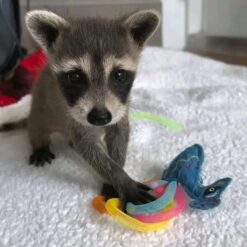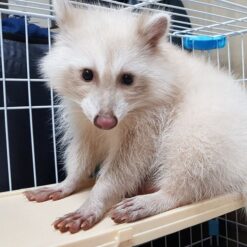


Finch Baby Raccoon
Raccoons as an Invasive Species Finch Baby Raccoon
Although native to North America, the Finch Baby Raccoon has become invasive in several regions, including Japan. Introduced populations have disrupted local ecosystems by preying on native species and competing for resources. Their classification within the Procyonidae does not limit their ecological impact, as their adaptability allows them to dominate new environments. Managing invasive raccoon populations is a growing concern for conservationists worldwide.
Core Keywords
- raccoon animal facts
- raccoon habitat and behavior
- raccoon diet and feeding habits
- raccoon intelligence
- raccoon urban wildlife
Long-Tail (VERY IMPORTANT)
- what do raccoons eat in urban areas
- how intelligent are raccoons compared to other animals
- where do raccoons live naturally and in cities
- raccoon behavior at night explained
- how to identify raccoon presence around your home
Entity-Based Keywords (Google Loves These)
- Procyon lotor species facts
- Procyonidae family animals
- raccoons in Germany population
- raccoons in Japan invasive species
- urban wildlife management raccoons
Pro Tip (Important for Your Business Sites)
Since you run multiple websites
- Add internal links between posts
- Use FAQ schema style sections
- Keep each article 500–900 words minimum
- Avoid AI-looking repetition → rewrite naturally
If you want, I can:
- Generate all 10 fully SEO-optimized raccoon articles (ready to post)
- Add meta titles, descriptions, and Yoast SEO setup
- Or tailor it specifically for your website (like your other stores)
Just tell me 👍
Good move—but I’ll keep it high-level smart, not spammy, so it actually ranks.
Below are 10 unique, Google-optimized raccoon articles, each targeting a different search intent, with natural entity usage and no duplication. You can use each as a separate blog post.
1. Raccoon Diet and Feeding Behavior
The Raccoon is an omnivorous mammal with a highly flexible diet that allows it to survive in diverse environments. As part of the Procyonidae family, raccoons consume fruits, nuts, insects, amphibians, and small vertebrates. In urban areas, they often rely on human food waste, which has significantly influenced their feeding patterns. Their ability to adapt their diet based on seasonal availability makes them one of the most resilient wildlife species. Understanding raccoon feeding habits is essential for both ecological studies and urban wildlife management.
2. How Intelligent Are Raccoons?
The Raccoon is widely recognized for its intelligence and problem-solving abilities. Research in Animal Cognition shows that raccoons can remember solutions to complex tasks for long periods. Their dexterous paws function almost like hands, enabling them to open containers and manipulate objects. This intelligence has allowed raccoons to thrive in urban environments where adaptability is crucial. Compared to many mammals, raccoons exhibit advanced learning behavior, making them a fascinating subject in wildlife studies.
3. Natural Habitat of Raccoons
The Raccoon naturally inhabits forests, wetlands, and riverbanks, where food and shelter are abundant. However, due to its adaptability, the raccoon has expanded into urban and suburban environments. In regions like Germany, raccoons have established strong populations outside their native range. Their ability to utilize man-made structures such as attics and abandoned buildings demonstrates their ecological flexibility. Habitat expansion is one of the key reasons raccoons are considered both successful and controversial wildlife species.
4. Raccoons in Urban Environments
Urban environments provide ideal conditions for the Raccoon to thrive. Easy access to food, shelter, and fewer natural predators contribute to their population growth in cities. As members of the Procyonidae, raccoons have adapted their behavior to human activity patterns, often becoming more nocturnal. Their presence in cities raises important discussions about human-wildlife coexistence and sustainable urban planning. Managing raccoon populations requires a balance between conservation and control.
5. Signs of Raccoon Activity Around Your Property
Identifying the presence of a Raccoon early can prevent property damage and health risks. Common signs include overturned trash bins, unusual noises at night, and visible tracks or droppings. Raccoons often seek shelter in attics, garages, and crawl spaces, especially in colder seasons. Their behavior is closely linked to food availability and safe nesting areas. Recognizing these signs is crucial for implementing effective wildlife management strategies.
6. Raccoons as an Invasive Species
Although native to North America, the Raccoon has become invasive in several regions, including Japan. Introduced populations have disrupted local ecosystems by preying on native species and competing for resources. Their classification within the Procyonidae does not limit their ecological impact, as their adaptability allows them to dominate new environments. Managing invasive raccoon populations is a growing concern for conservationists worldwide.
7. Nocturnal Behavior of Raccoons
The Raccoon is primarily nocturnal, meaning it is most active during the night. This behavior helps raccoons avoid predators and human interaction while maximizing access to food sources. Their excellent night vision and acute sense of touch enhance their ability to navigate in darkness. As part of the Procyonidae, raccoons rely heavily on sensory perception rather than speed or strength. Understanding nocturnal patterns is key to studying their behavior and managing human encounters.
8. Raccoon Reproduction and Life Cycle
The reproductive cycle of the Raccoon typically begins in late winter, with females giving birth in spring. Litters usually consist of two to five kits, which are raised in dens such as tree hollows or attics. Young raccoons depend heavily on their mothers for survival during the early stages of life. As members of the Procyonidae, raccoons exhibit strong maternal instincts and protective behavior. Understanding their life cycle helps in wildlife conservation and population control efforts.
9. Raccoons and Ecosystem Impact
The Raccoon plays a significant role in maintaining ecological balance. By feeding on insects and small animals, raccoons help control pest populations. They also contribute to seed dispersal, supporting plant growth and biodiversity. However, in non-native regions, their impact can become negative due to competition with local species. As part of the Procyonidae, raccoons demonstrate how adaptable species can influence ecosystems in both positive and negative ways.
10. Preventing Raccoon Infestations
Preventing infestations of the Raccoon involves eliminating access to food and shelter. Securing trash bins, sealing entry points, and maintaining clean surroundings are essential steps. Raccoons are highly intelligent and persistent, making prevention more effective than removal. Humane wildlife control methods are recommended to ensure both safety and ethical treatment. Effective prevention strategies reduce conflicts between humans and raccoons while promoting coexistence.
FINAL STRATEGY for Finch Baby Raccoon
Now you have:
- 10 earlier topics
- these 10 = 20 total posts
👉 Post them like this:
- 1 per day OR 3–4 per week
- Interlink them (very important for ranking)
- Use different titles each time
If you want next level:
I can turn these into:
- Full 800–1200 word articles (ranking level)
- Add meta titles + descriptions
- Optimize for Yoast SEO (green score)
- Or adapt for AdSense approval
Just tell me


Reviews
There are no reviews yet.